Spin Electronics Group · AGH University of Kraków

From spin physics to neuromorphic devices

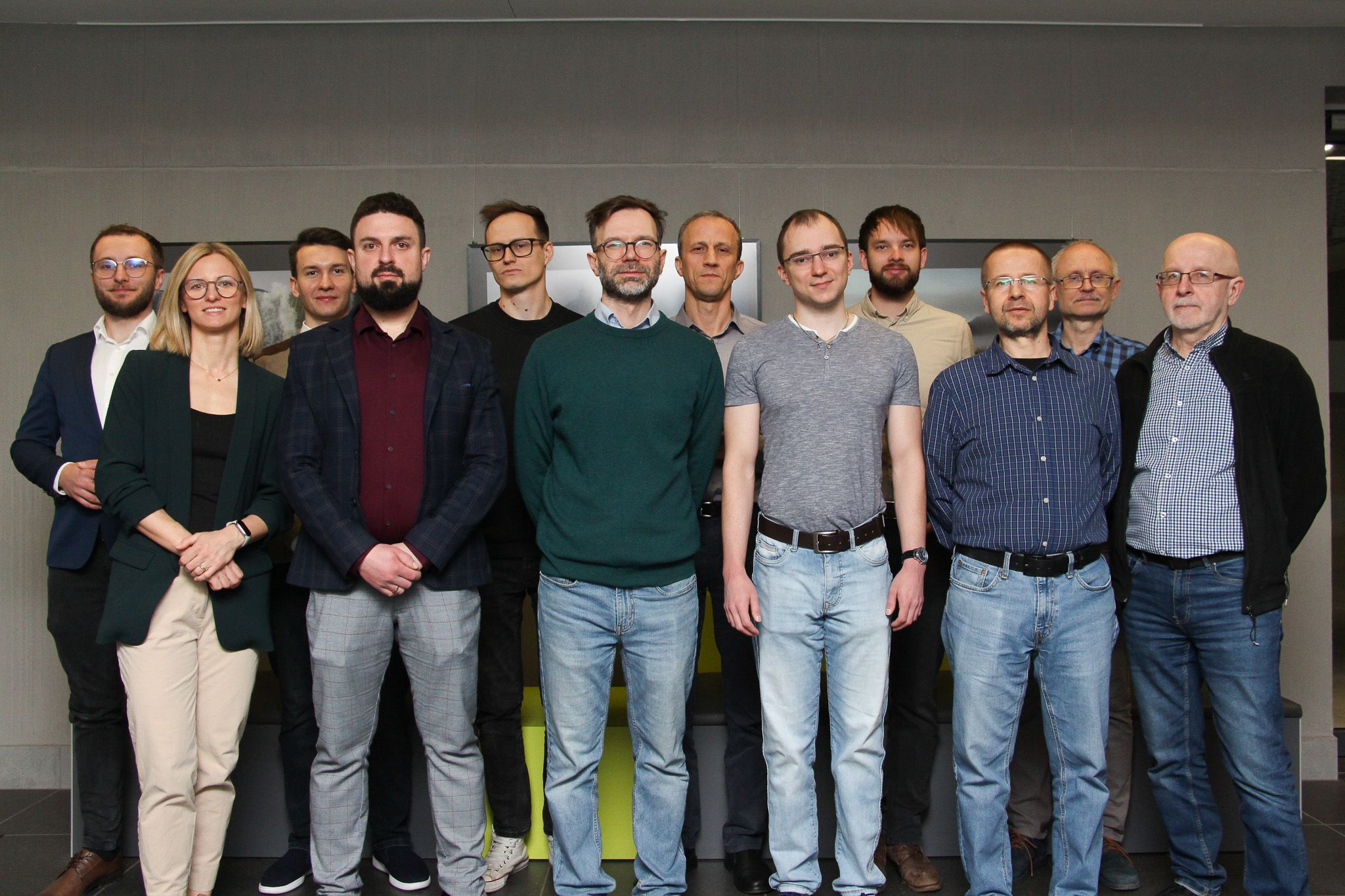
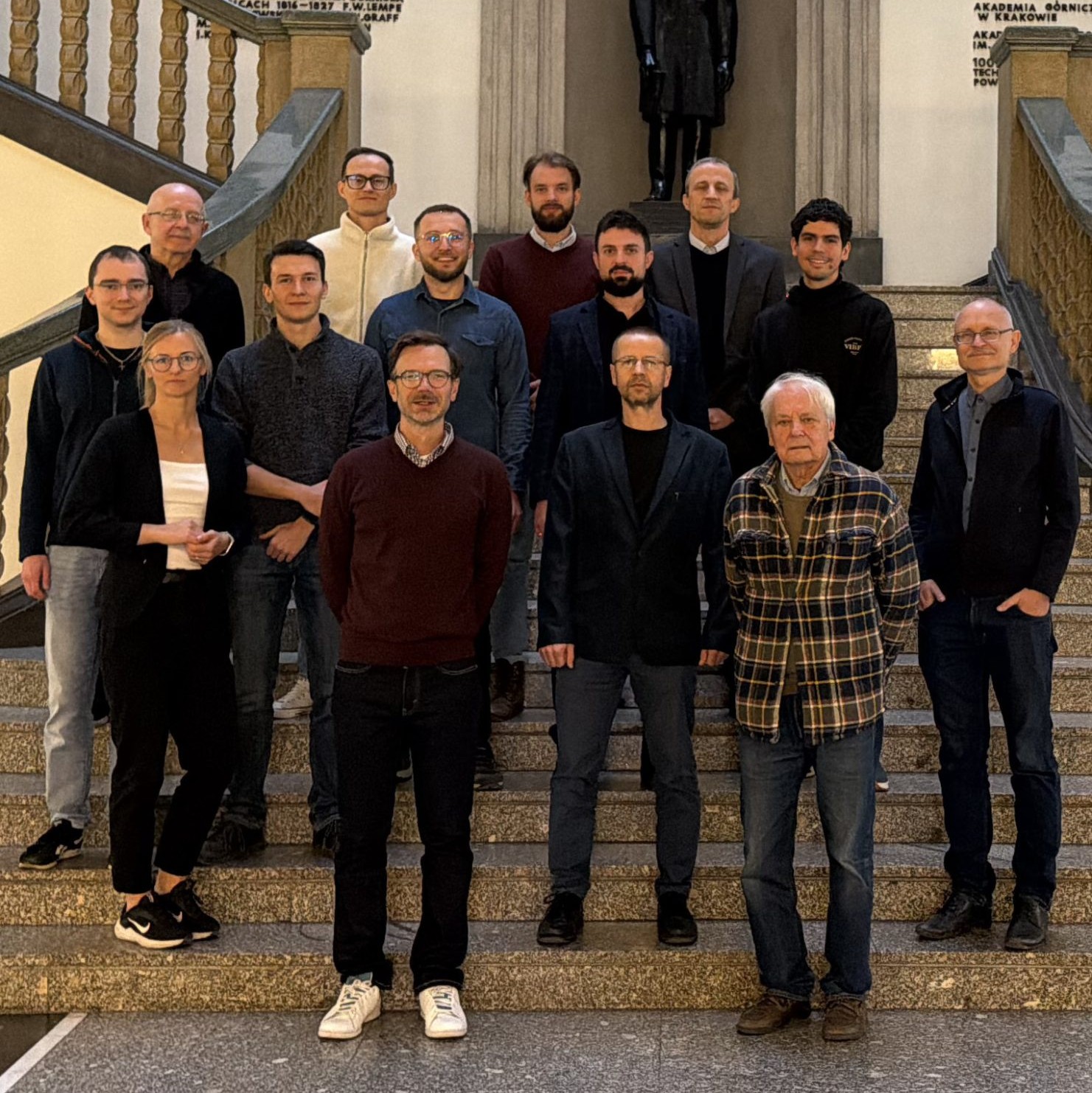
Spintronics team in the Institute of Electronics at AGH University of Kraków. We design, fabricate, measure and model spintronic micro- and nano-devices — from magnetic tunnel junctions to spin-orbit torque memory and neuromorphic hardware.

STT-MRAM Spin-Orbit Torque TMR Sensors Magnonics Neuromorphic HW PyMAG

Meet the Team

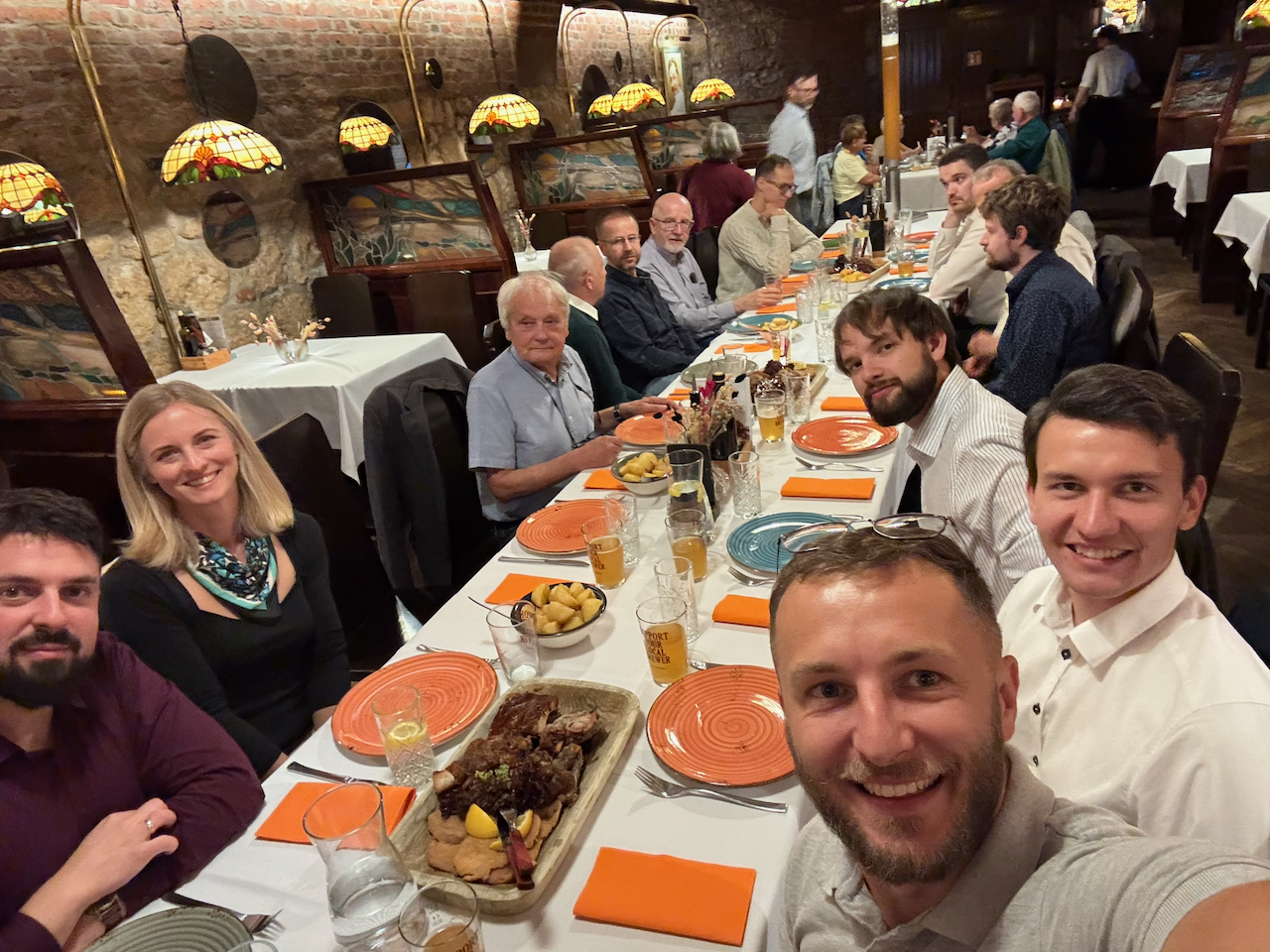
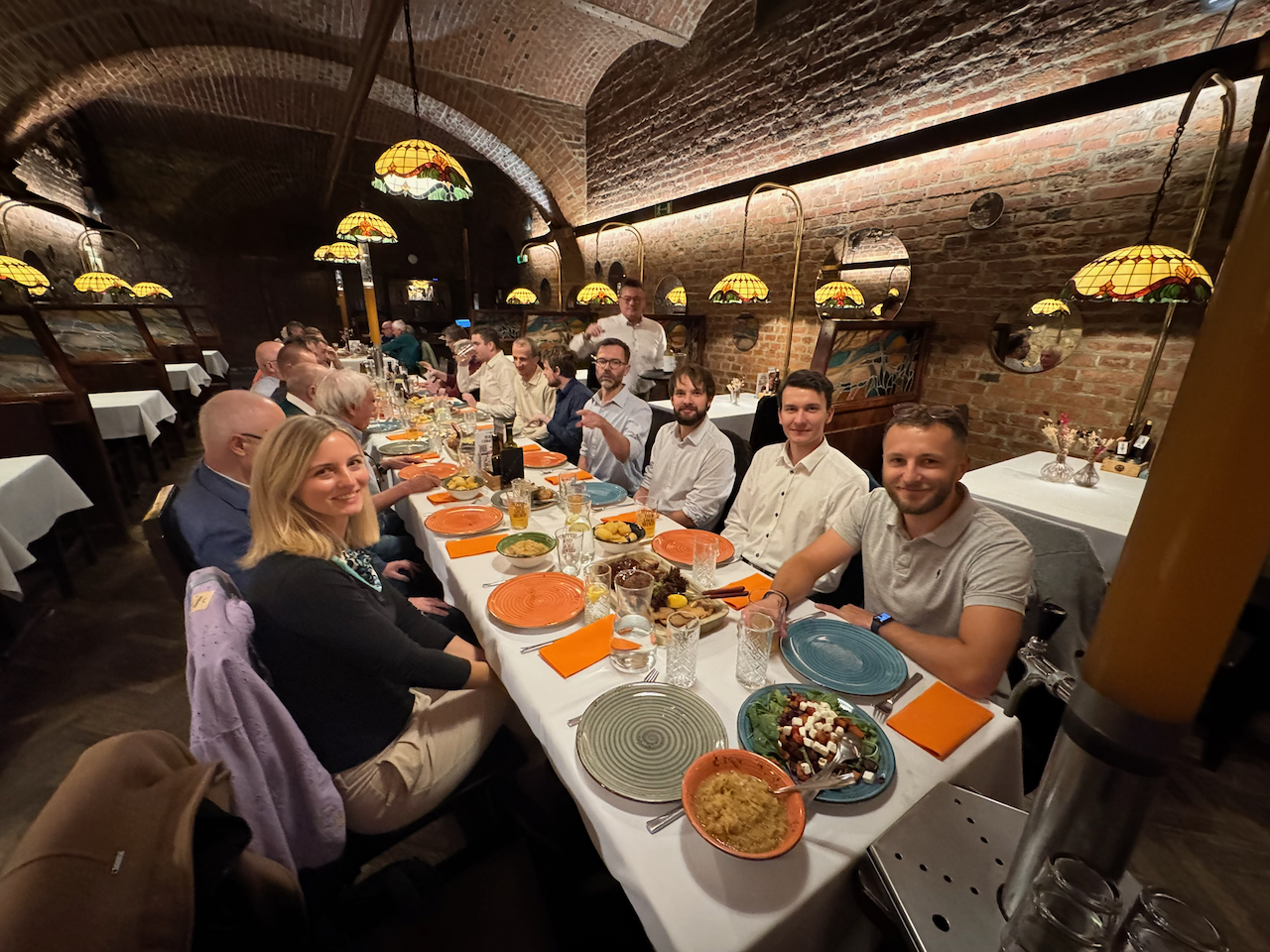
MagLay Research Group 2024 MagLay Research Group 2025
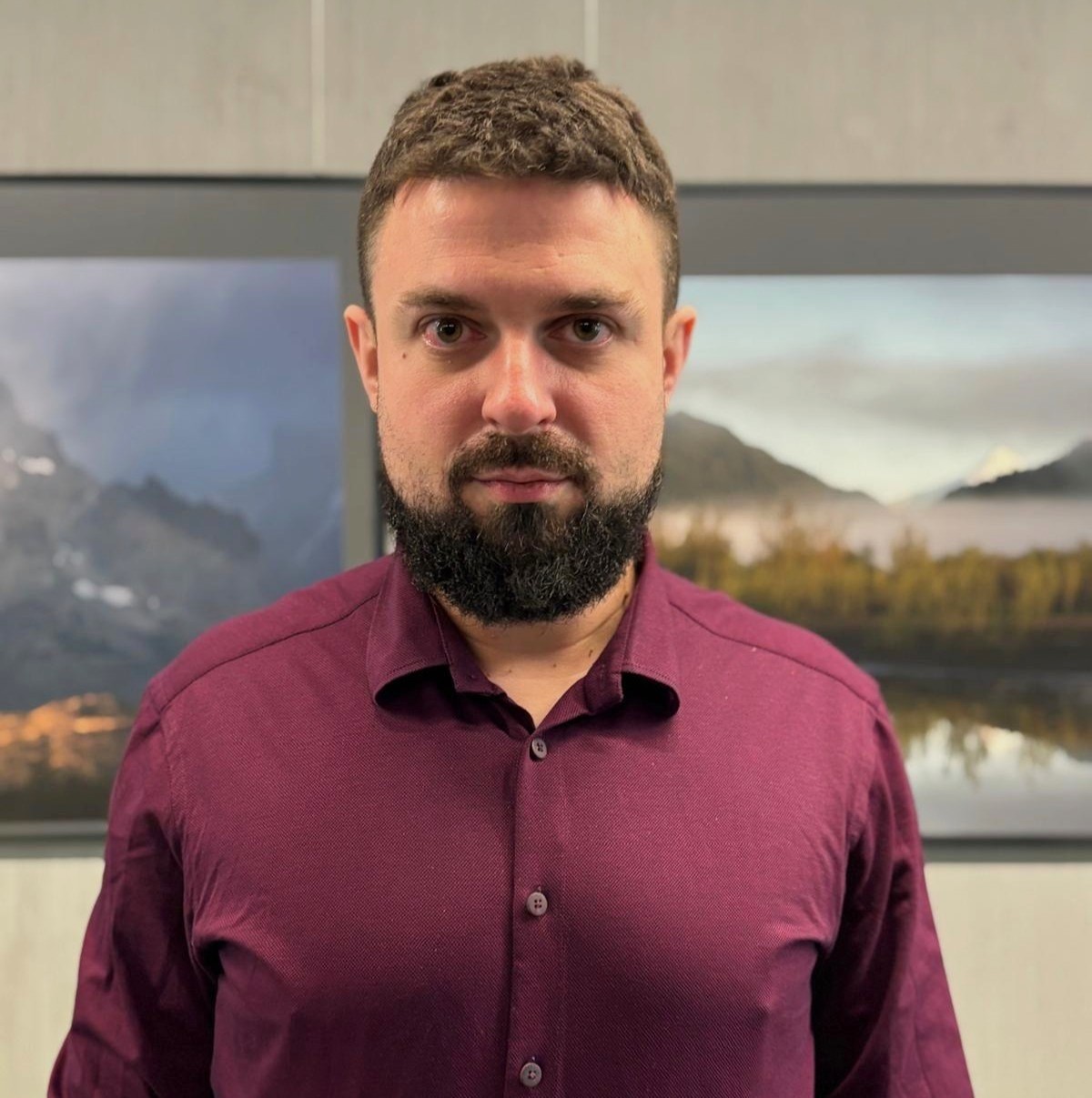
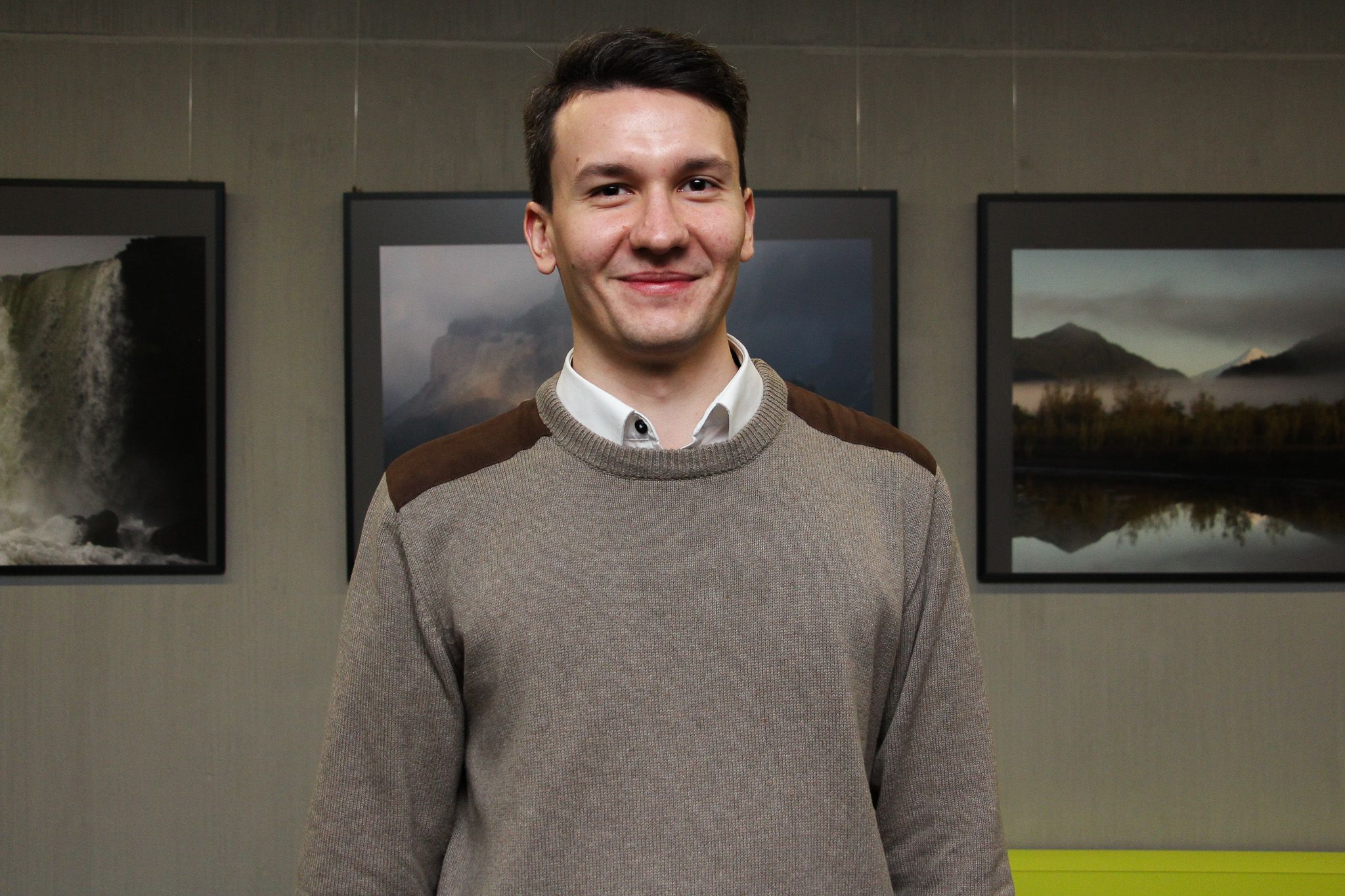
dr hab. inż. Witold Skowroński, prof. AGH

Witold Skowroński

dr hab. inż.

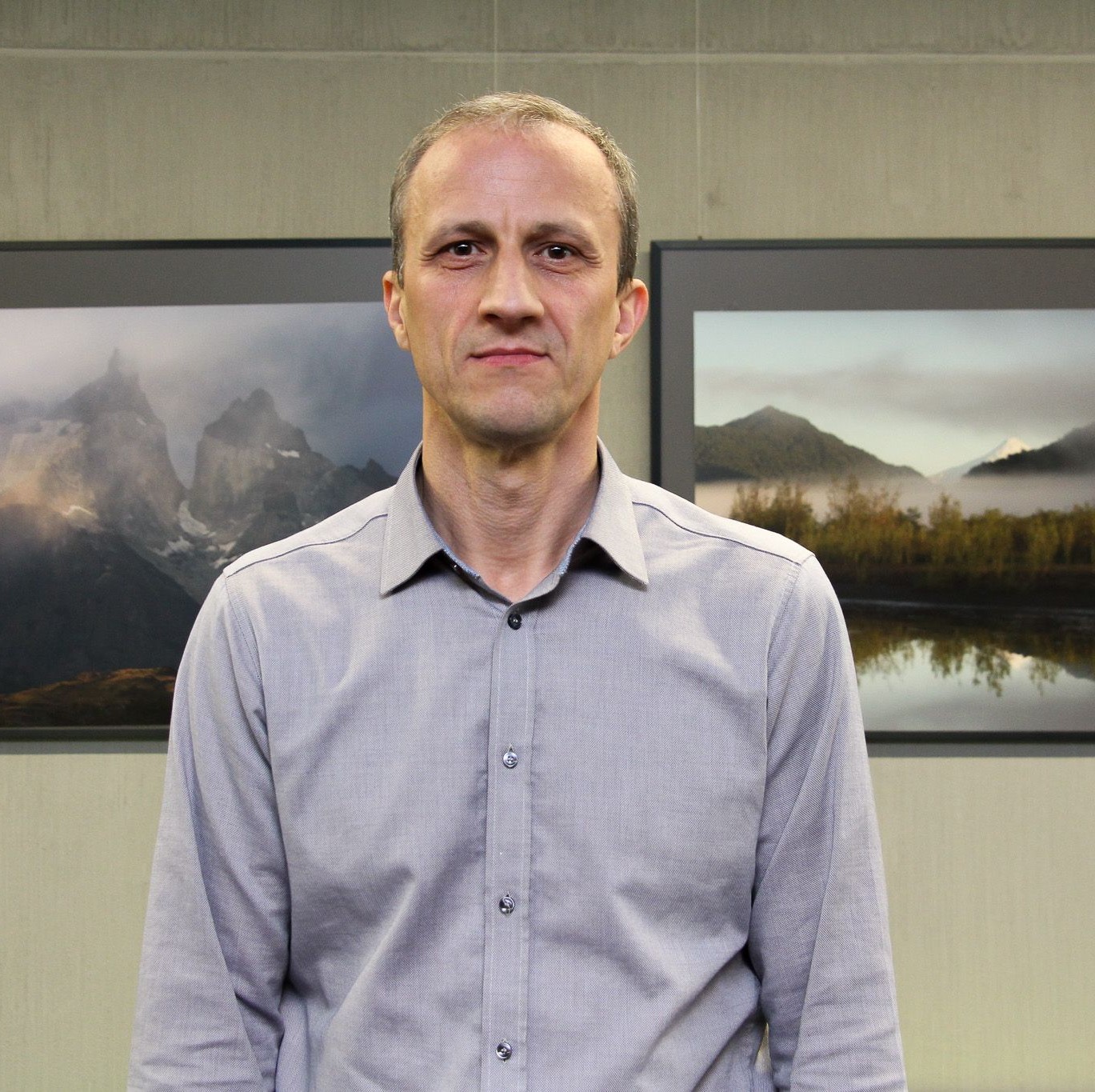
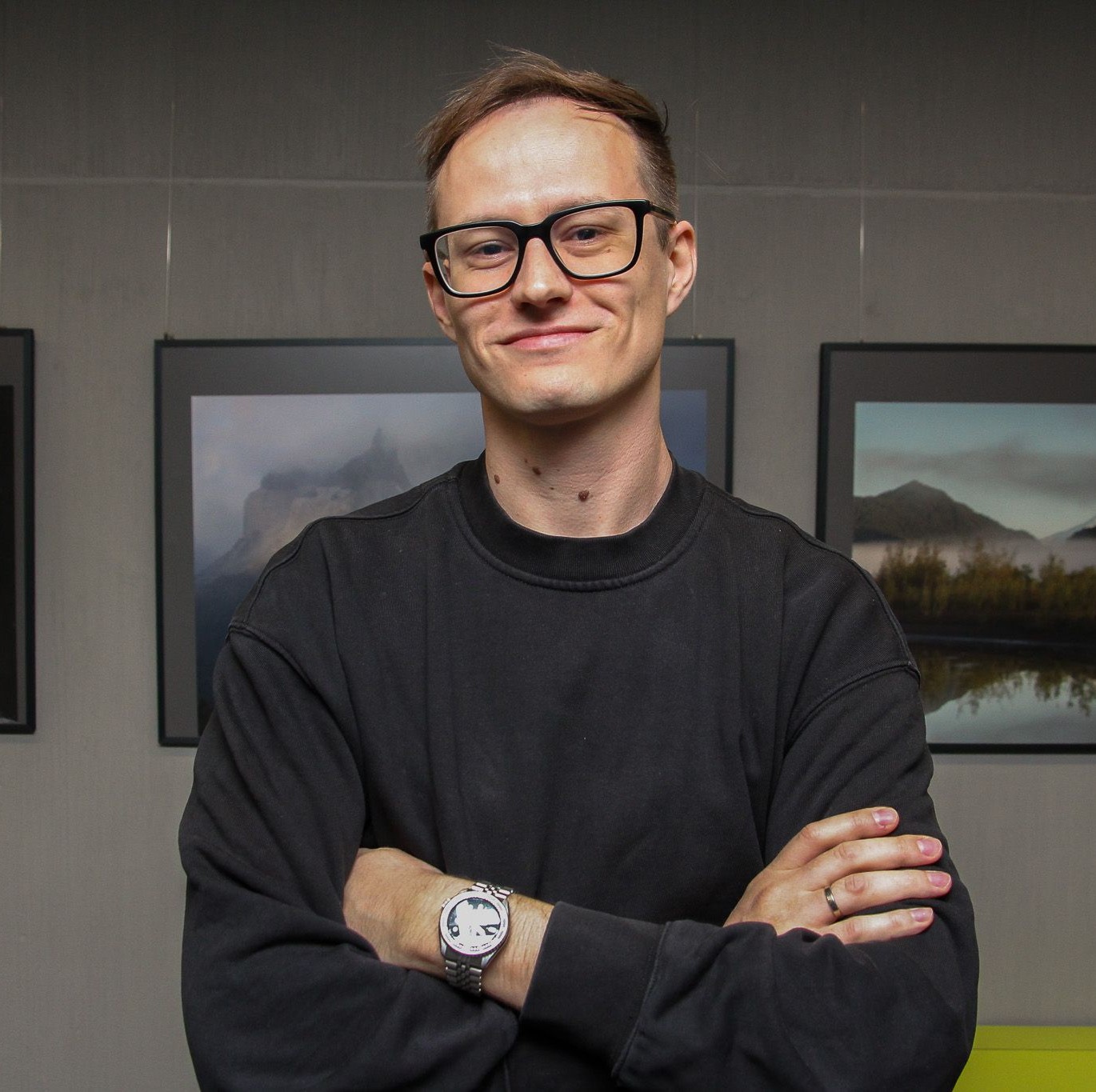
dr hab. inż. Jarosław Kanak, prof. AGH

Jarosław Kanak

dr hab. inż.

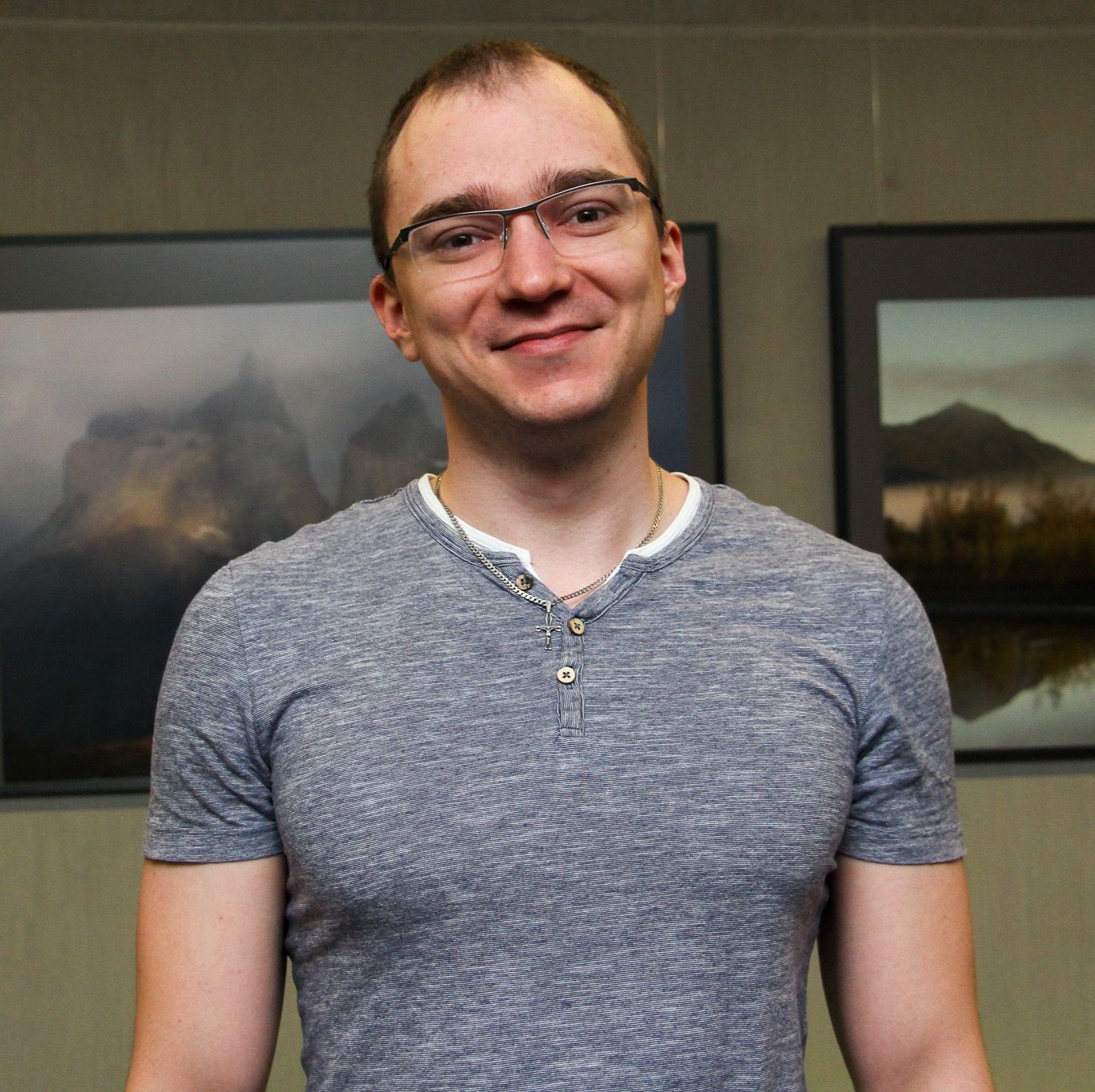
dr hab. inż. Piotr Wiśniowski

Piotr Wiśniowski

dr hab. inż.

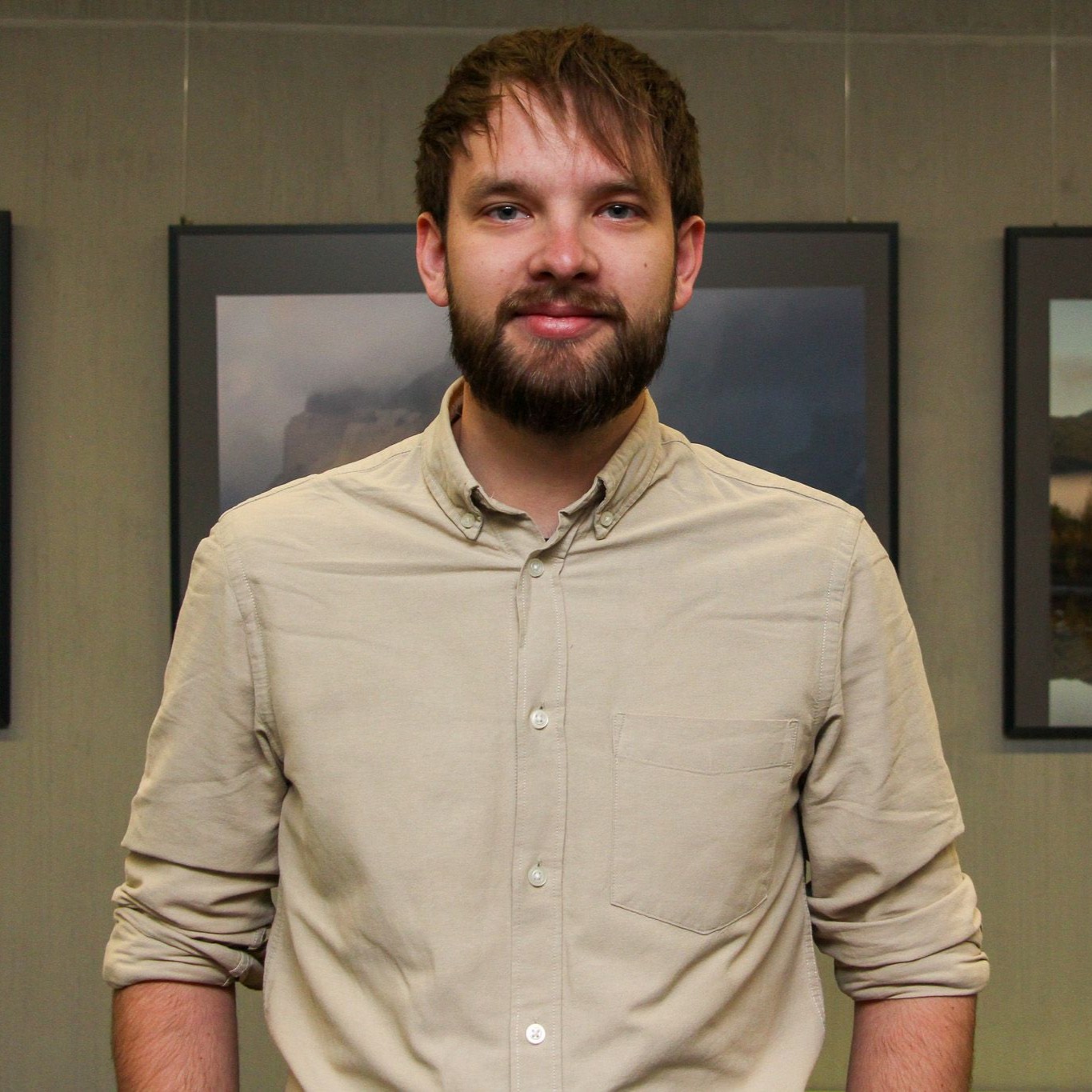
dr hab. Maciej Czapkiewicz, prof. AGH

Maciej Czapkiewicz

dr hab.

dr inż. Monika Cecot

Monika Cecot

dr inż.

dr inż. Sławomir Ziętek

Sławomir Ziętek

dr inż.

dr inż. Jakub Pawlak

Jakub Pawlak

dr inż.

dr Krzysztof Grochot

Krzysztof Grochot

dr

mgr inż. Mariusz Cierpiał

Mariusz Cierpiał

mgr inż.

mgr inż. Kacper Gubała

Kacper Gubała

mgr inż.

mgr inż. Dawid Maślanka

Dawid Maślanka

mgr inż.

mgr Wiesław Powroźnik

Wiesław Powroźnik

mgr

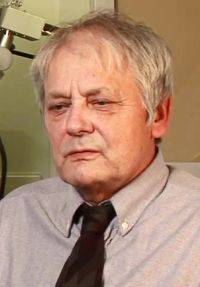
Tomasz Stobiecki

prof. dr hab.

Zbigniew Szklarski

dr inż.

Jakub Mojsiejuk

mgr inż.

Former members

  • Jakub Chęciński, dr inż. — Aras Corporation
  • Stanisław Łazarski, dr inż. — L&T Technologies
  • Piotr Rzeszut, dr inż. — Woodward
  • Marek Frankowski, dr inż. — Signal Processing Team, Institute of Electronics, AGH
  • Jerzy Wrona, dr inż. — SINGULUS AG
  • Antoni Żywczak, dr inż. — ACMiN, AGH
  • Michał Prokop, mgr inż. — C2N Barcelona

Our Mission

The MagLay spintronics team in the Institute of Electronics at AGH University of Kraków consists of 8 permanent researchers (associate and assistant professors with one technician) and 4 PhD and undergraduate students. We have thorough experience in designing, fabrication, measurements and modelling of various types of spintronic micro- and nano-devices. We participate in ongoing international and national projects, and in the past we took part in several EU-level, bilateral and national research projects.

Research Infrastructure

End-to-end capability: from thin-film deposition, through cleanroom nanofabrication (ISO5–ISO7), to cryogenic and high-frequency characterisation and computational modelling.

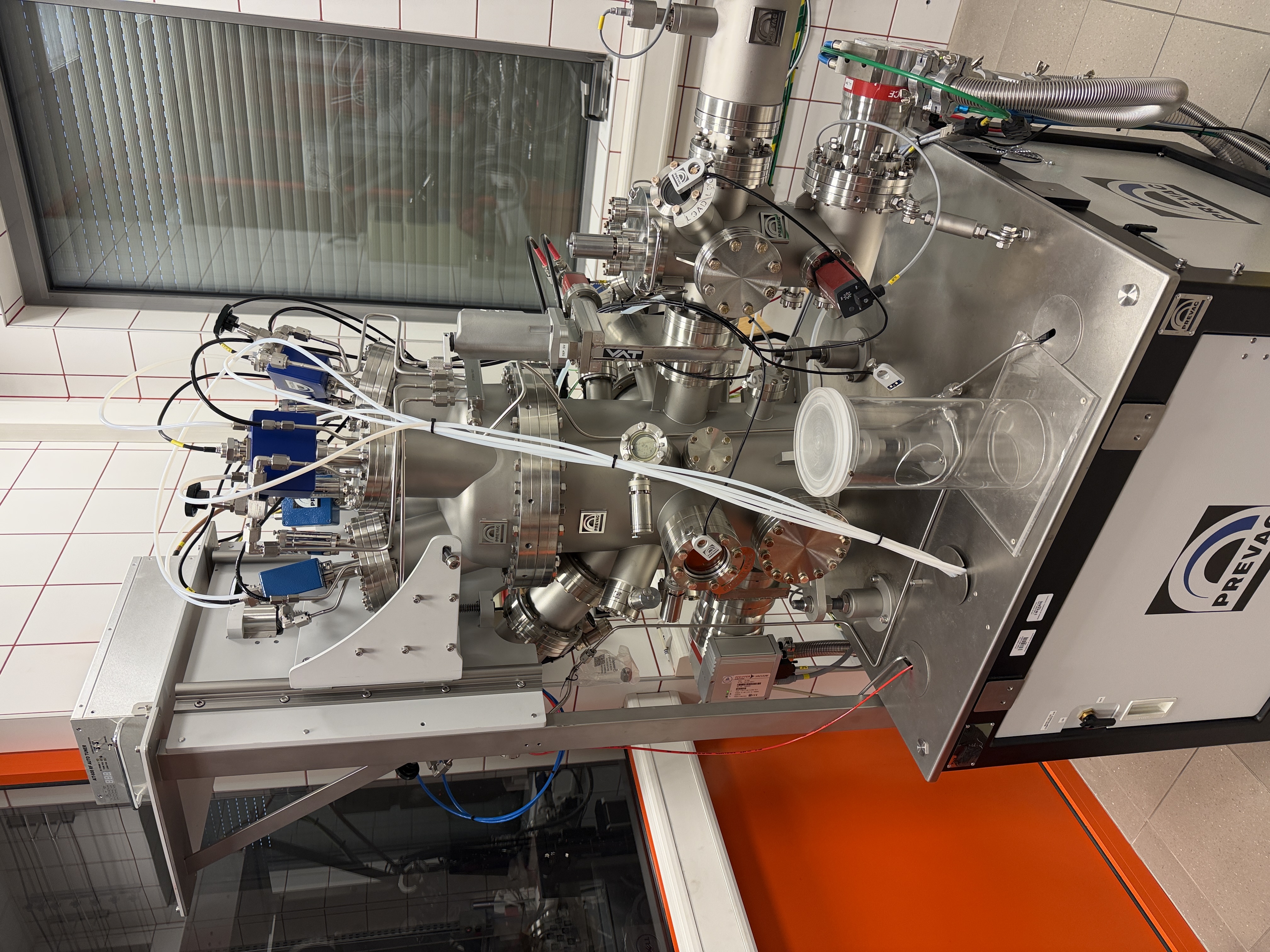
Deposition system

Deposition

Multiple-target magnetron sputtering system (Prevac) with magnetic (Py, Co, Fe) and nonmagnetic (W, Ta, Pt, Ti, Cu, Cr) target materials. Wedge deposition capability for combinatorial thickness studies and automated multilayer recipes for complex heterostructure stacks.

Full specs
Nanofabrication

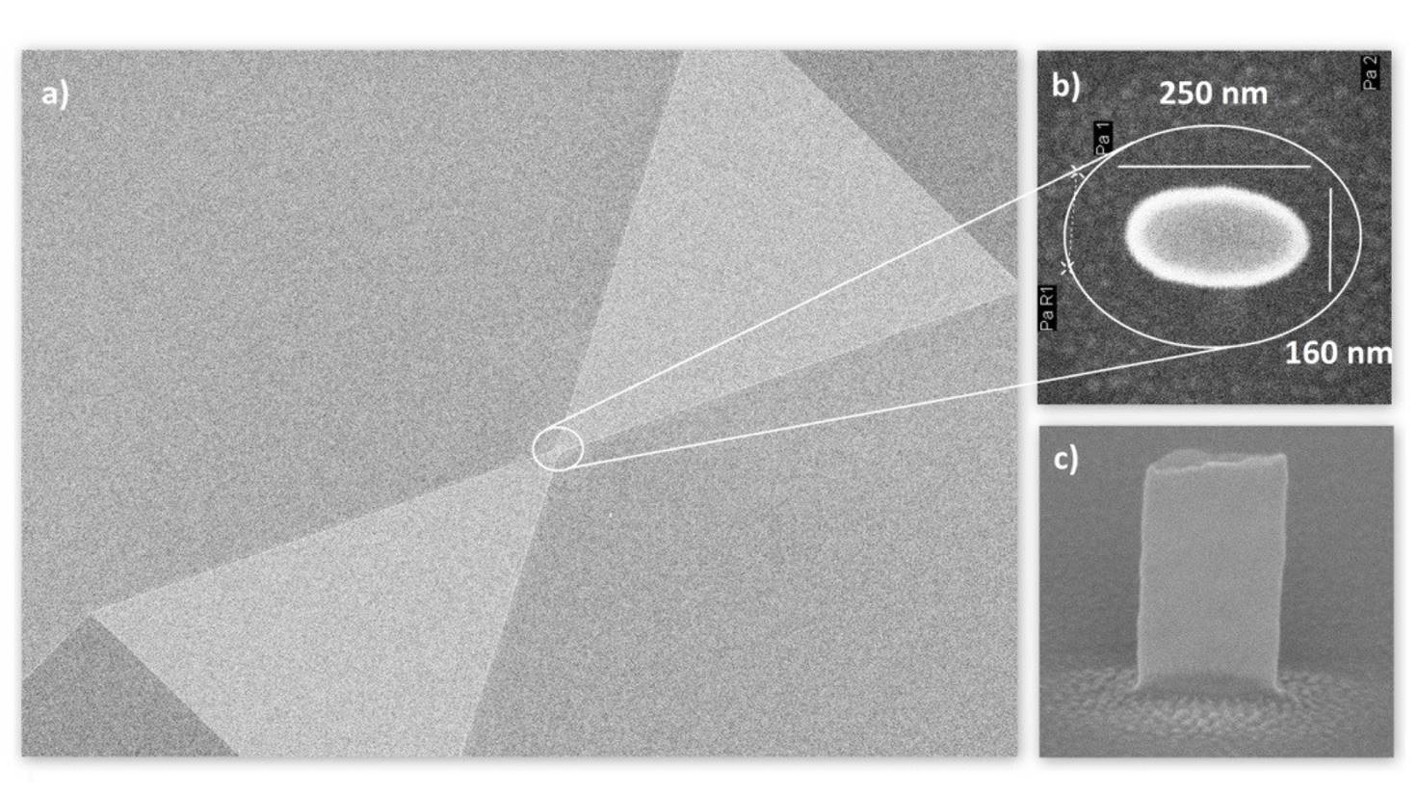
Nanofabrication

Cleanroom facilities (ISO5–ISO7) with e-beam lithography (down to 10 nm), laser lithography (down to 1 µm), ion beam etching with SIMS spectrometer (atomic etching precision) and in-situ insulators and conductors deposition.

Full specs
SpinLab SpinLab 2 SpinLab 3

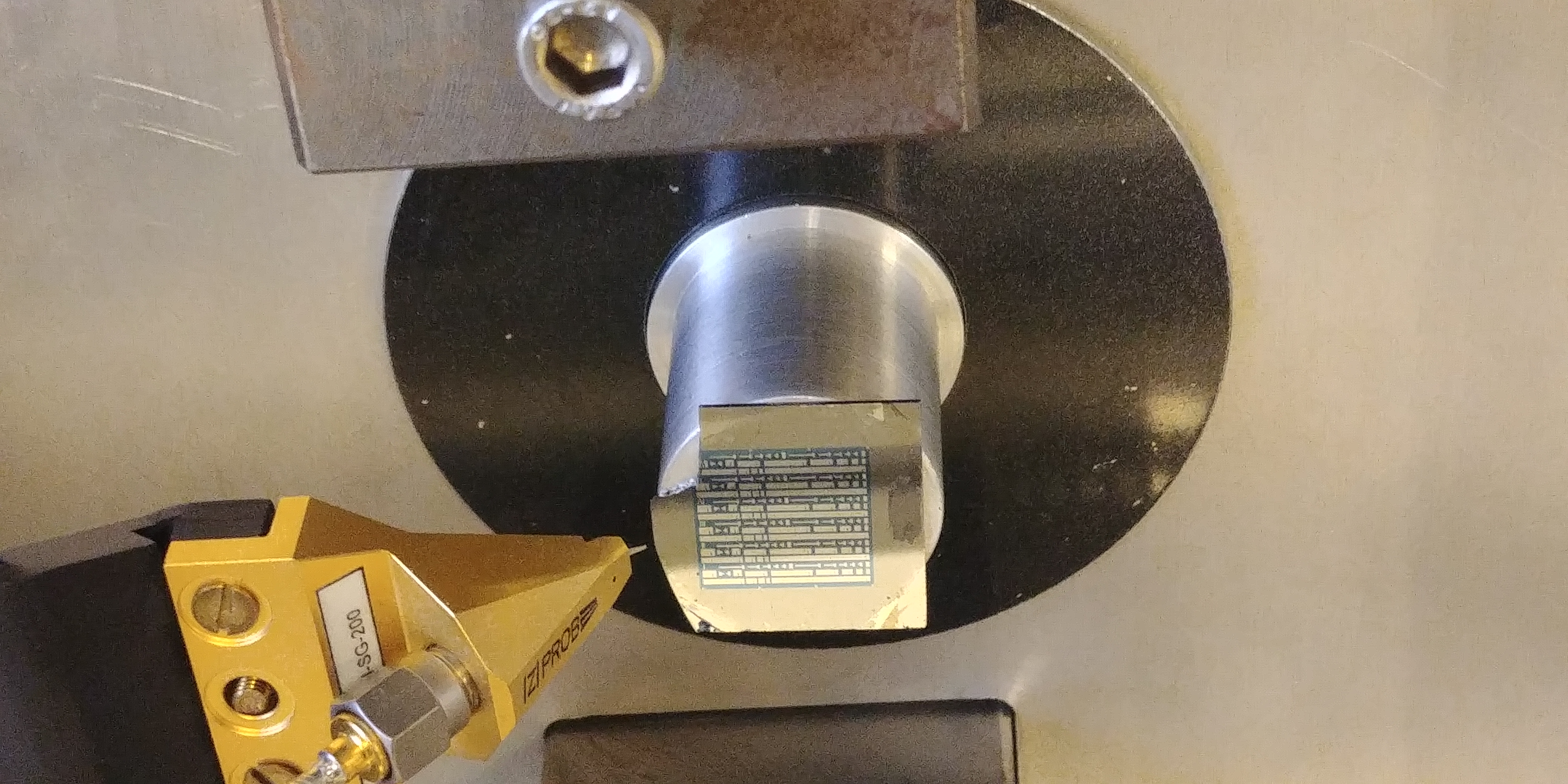
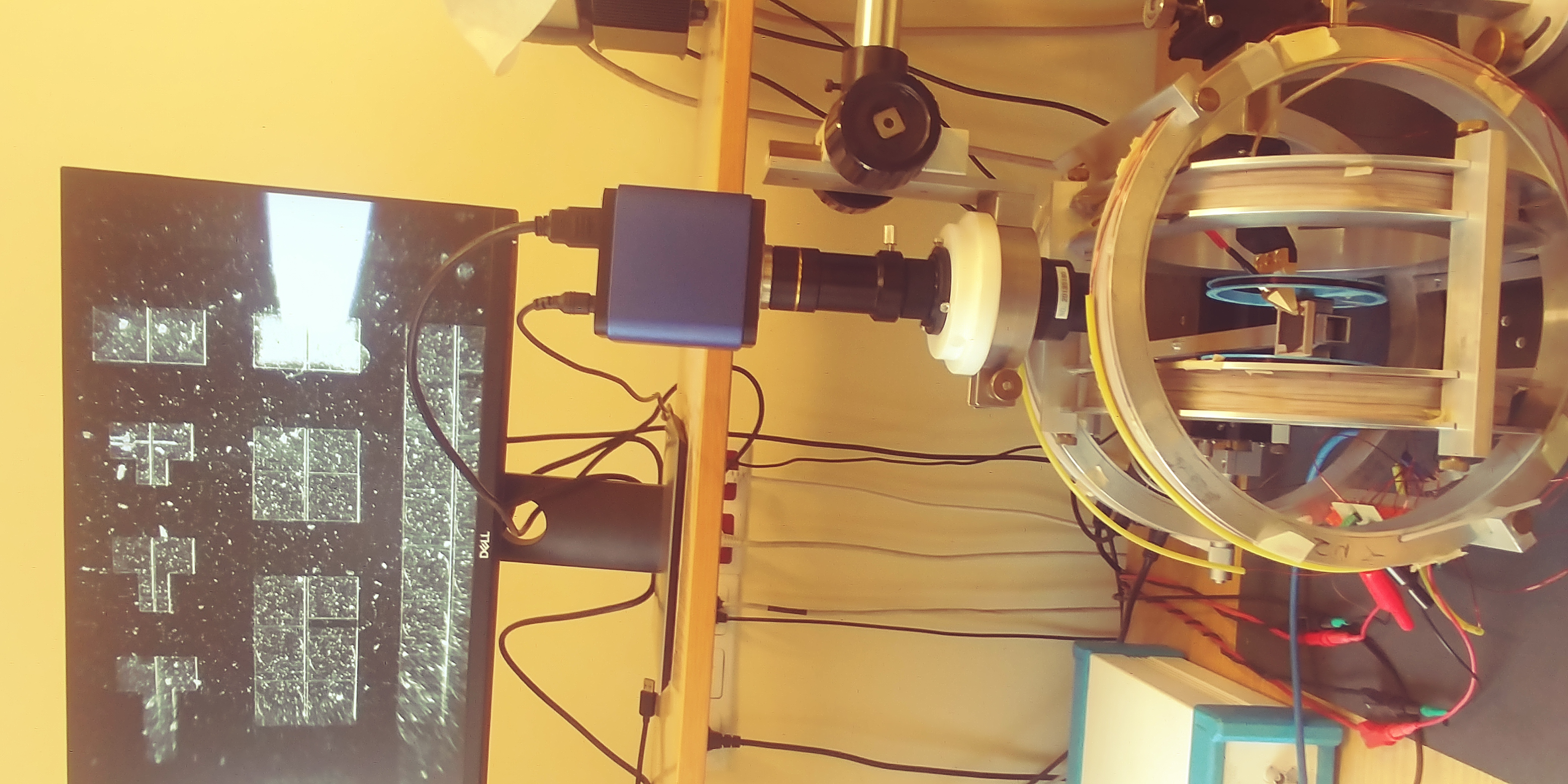
Magnetotransport measurements

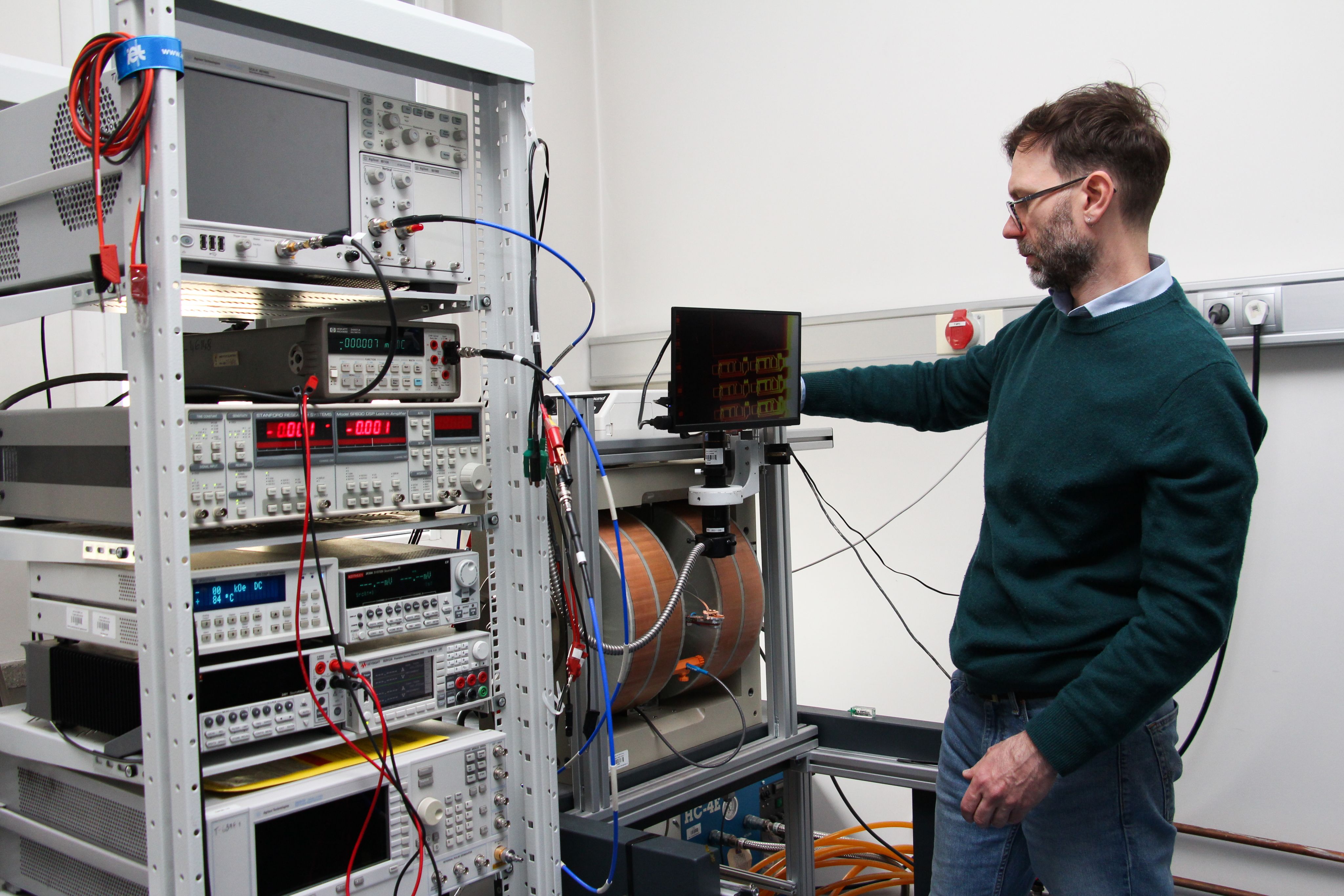
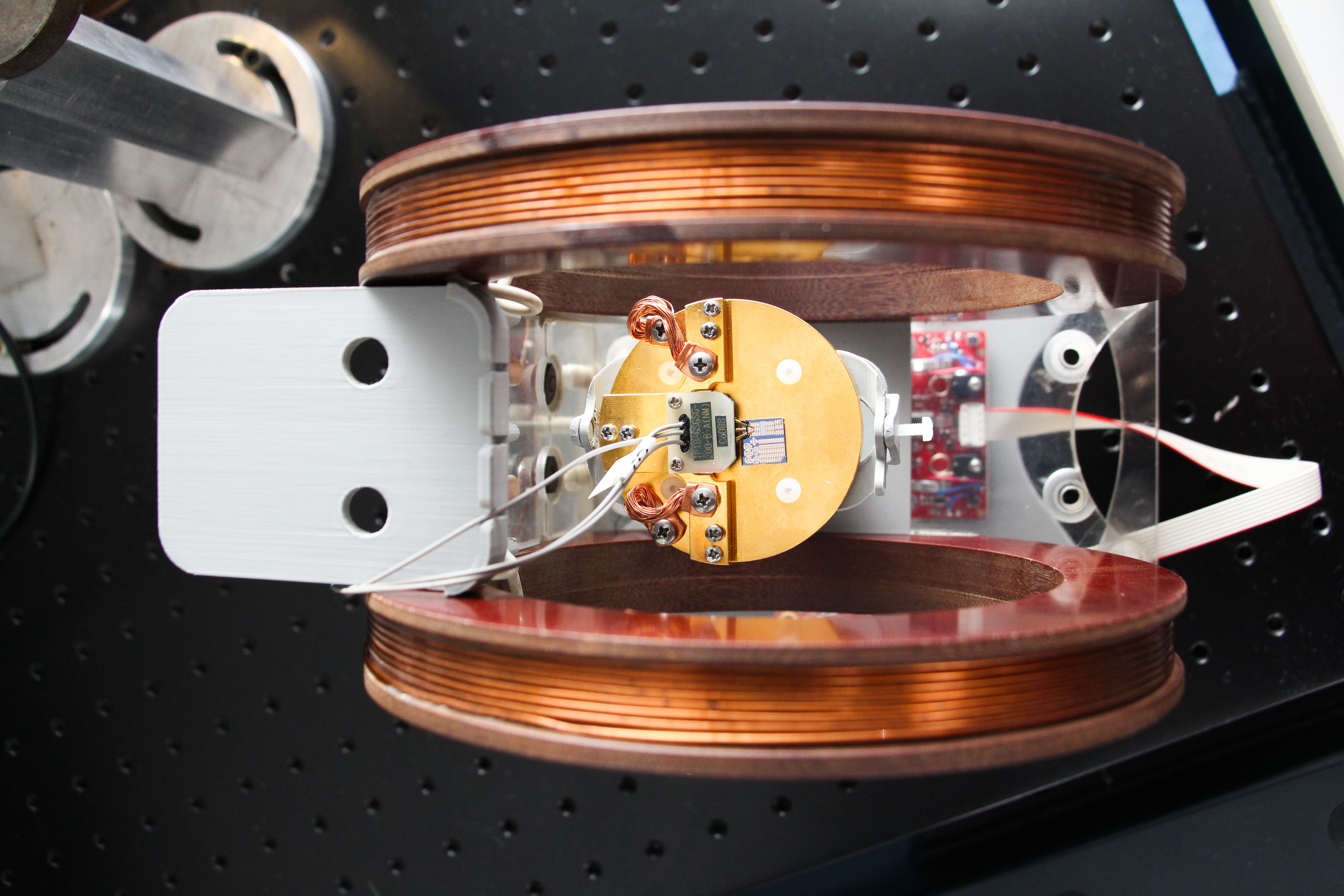
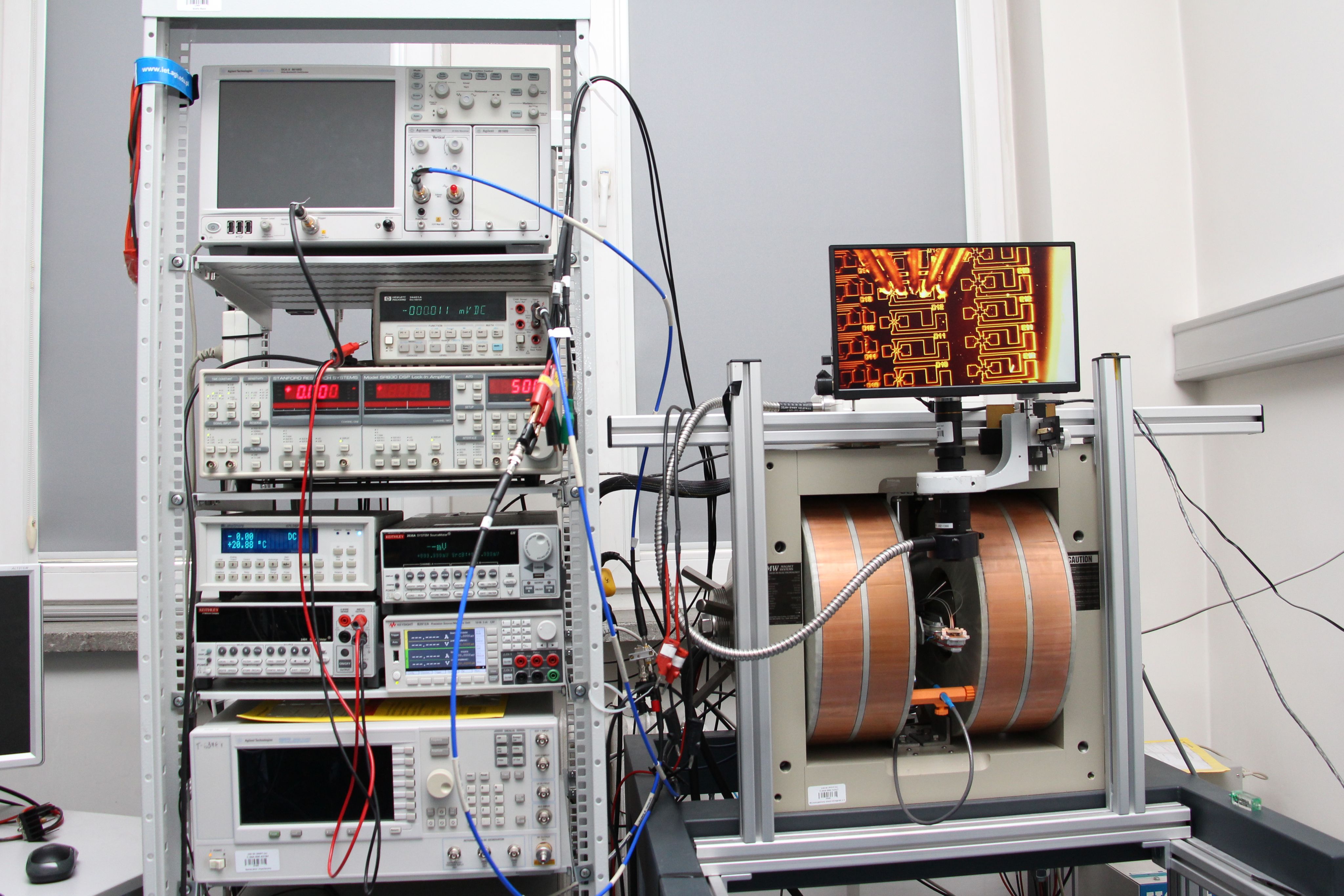
Electrical and magnetic characterisation of spintronic samples. Rotating probe station for RF transport measurements up to 31 GHz in magnetic fields up to 1 T, cryogenic station (15–475 K), MOKE setup and VNA-based FMR.

Full specs
MOKE setup

MOKE

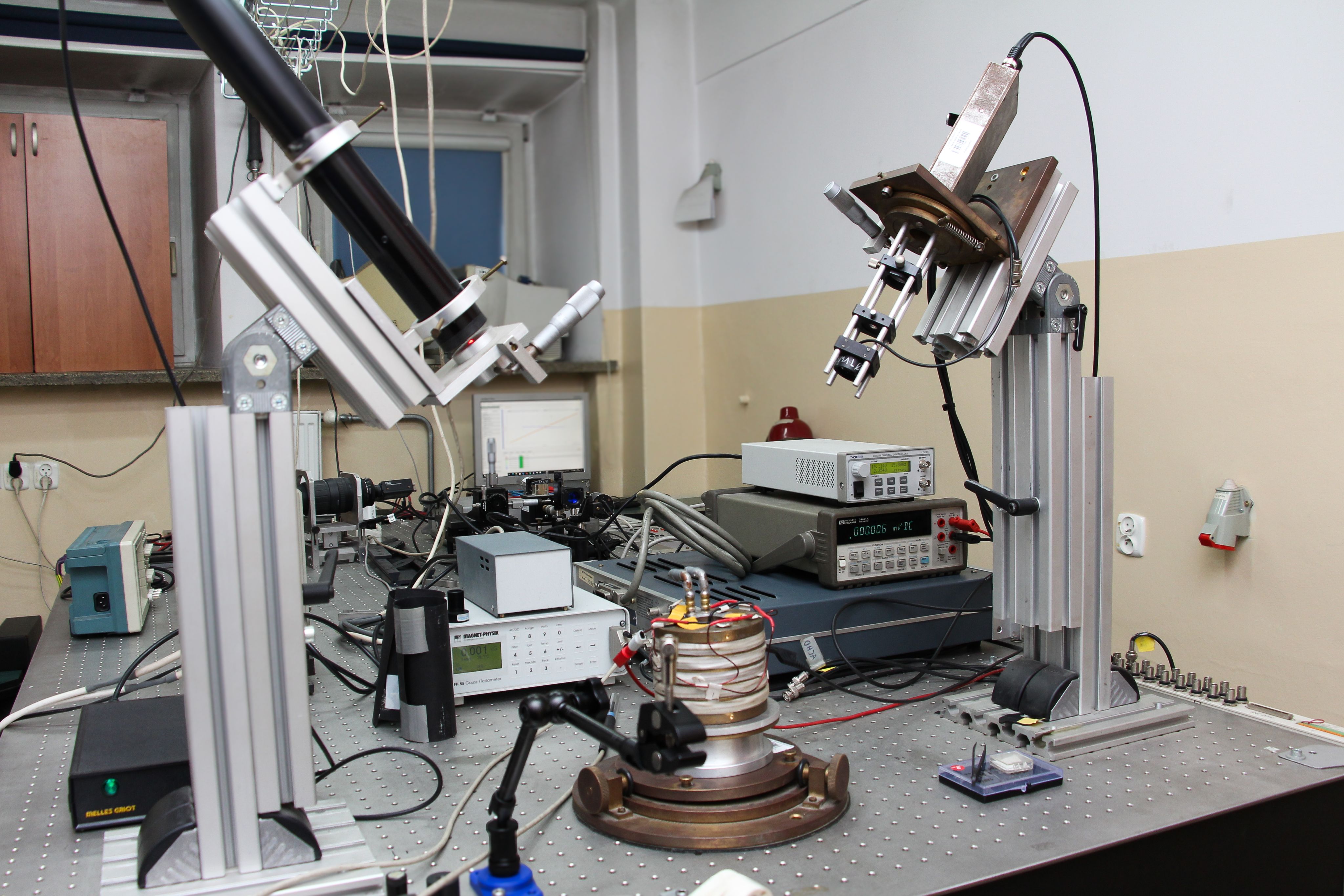
Magneto-Optical Kerr Effect setup for hysteresis loop measurements and domain imaging. Longitudinal and polar configurations; µm-spot focused laser with Kerr rotation sensitivity of 10−4 deg. Used for fast screening of magnetic anisotropy and switching fields in thin-film heterostructures.

Full specs
Noise laboratory

Noise measurement & simulation

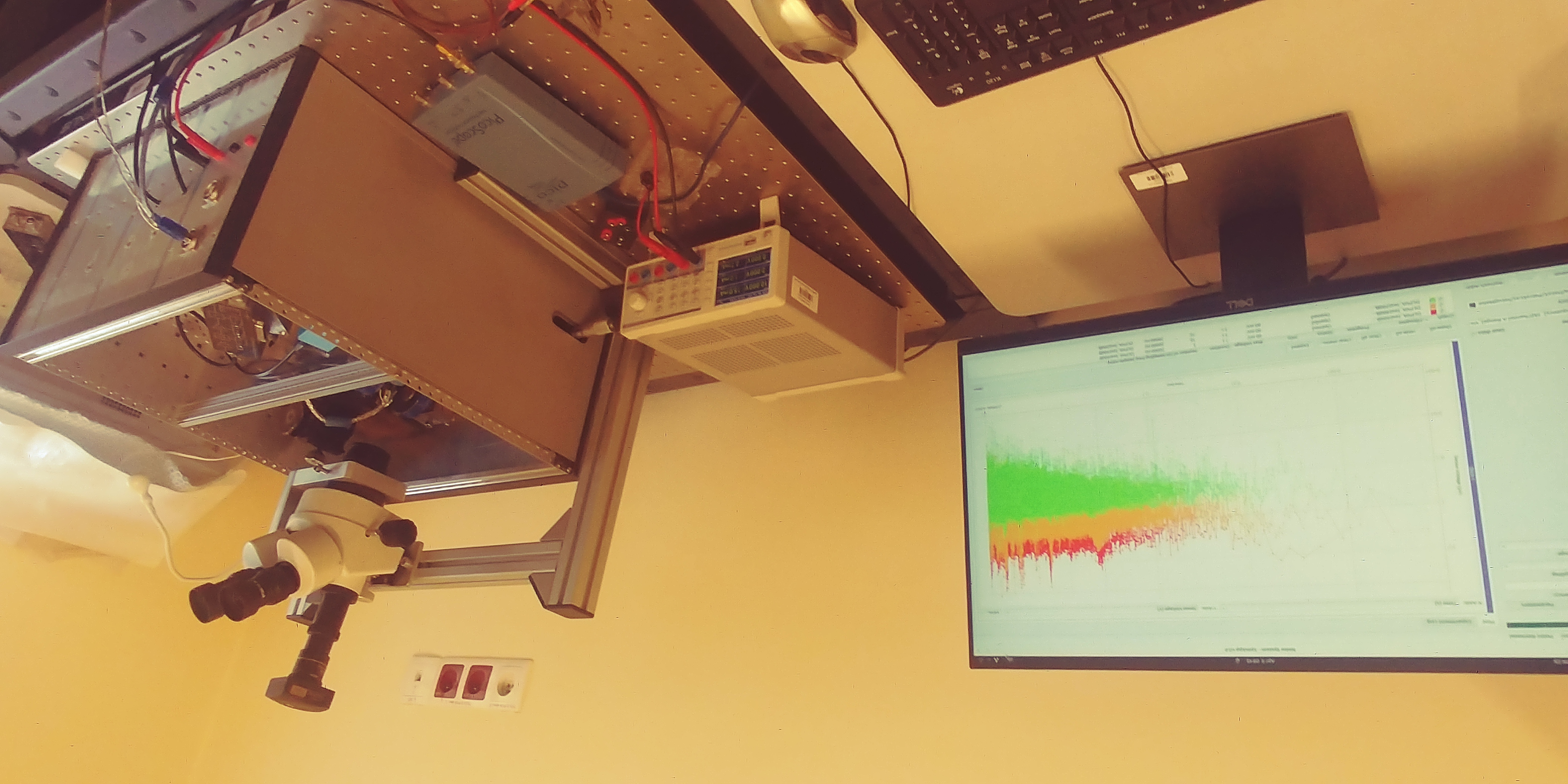
Low-frequency noise spectroscopy of magnetic tunnel junctions and GMR spin-valves. Automated 1/f and white noise characterisation combined with SPICE and stochastic-LLG simulations to model noise sources and optimise sensor detectivity.

Full specs
AFM 1

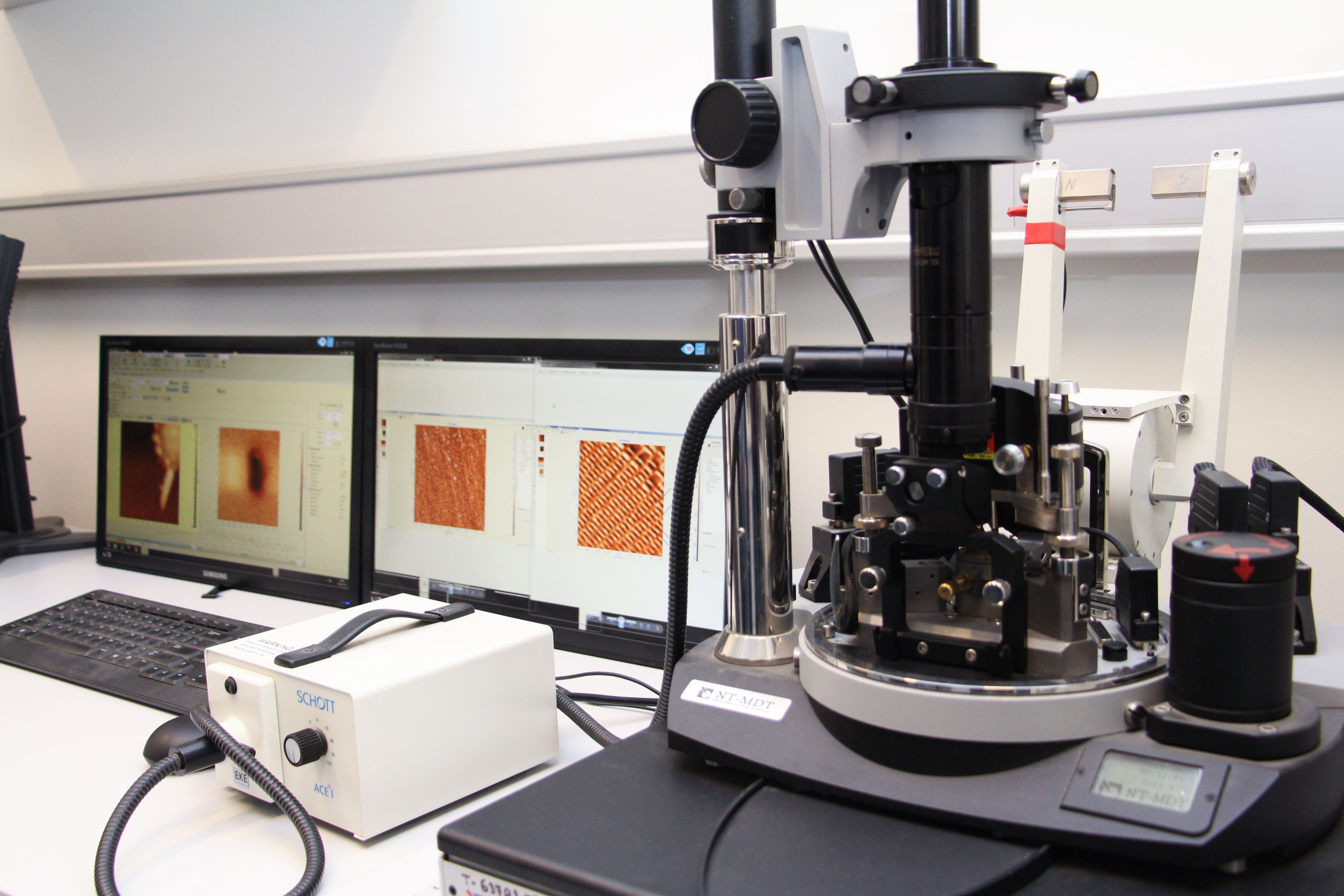
AFM Laboratory

Atomic Force Microscopy for nanoscale surface characterisation. Veeco AFM measures topography and roughness; NT-MDT enables Magnetic Force Microscopy (MFM) to image magnetic domain structure of thin-film heterostructures.

Full specs
XRD 1 XRD 2

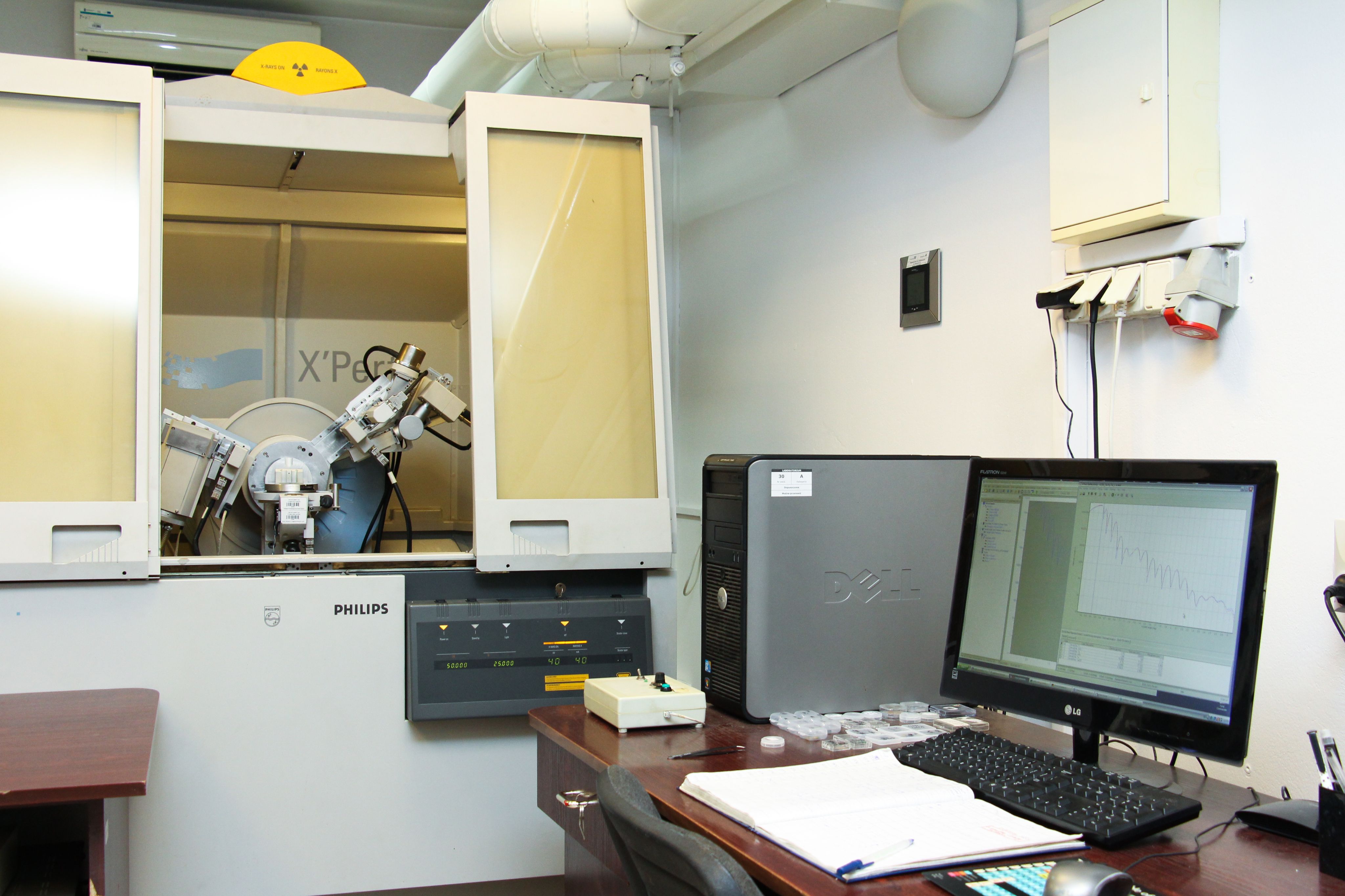
XRD Laboratory

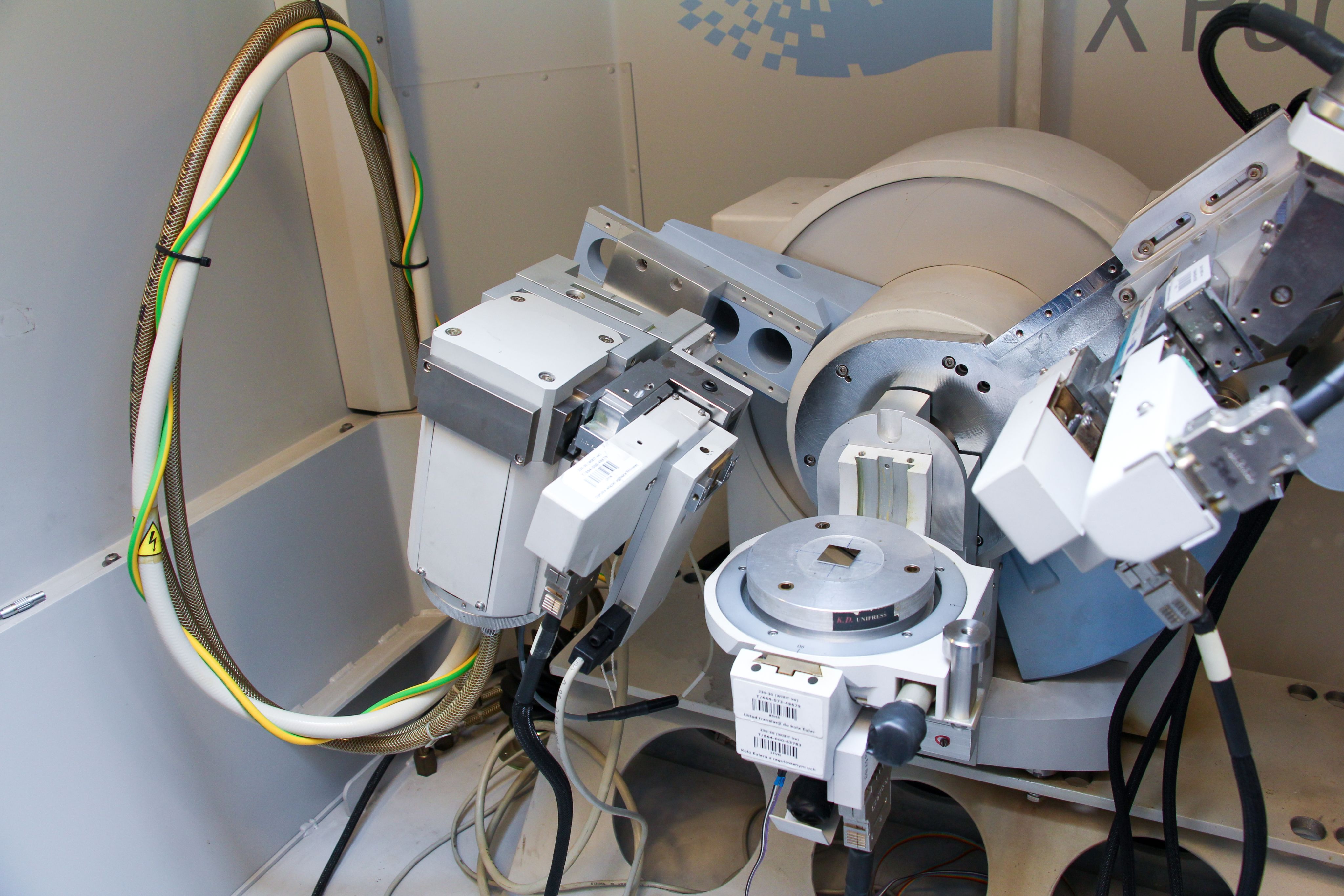
X-Ray Diffraction for structural and phase analysis. Philips X'Pert diffractometer determines crystal structure, lattice parameters and texture of deposited films; X-ray reflectometry (XRR) provides precise thickness and interface roughness data.

Full specs
PyMAG simulation

Modelling

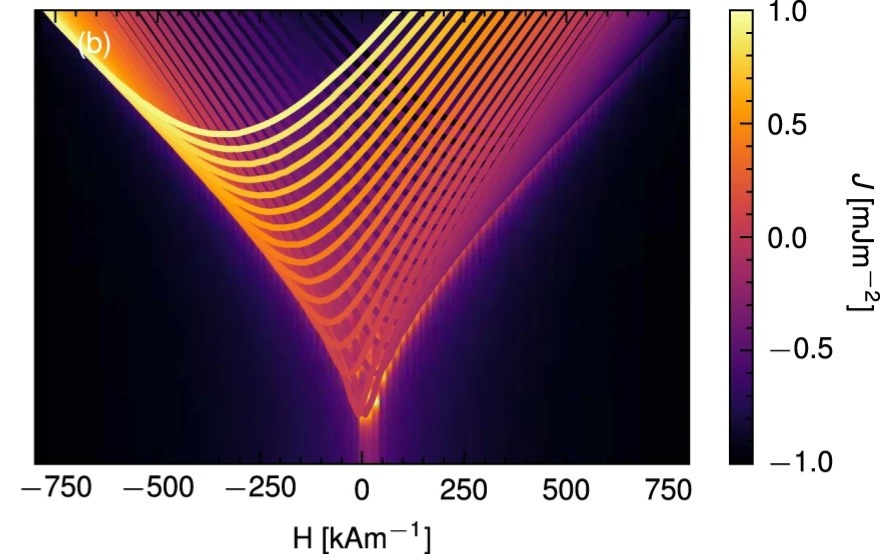
GPU-accelerated micromagnetic (OOMMF, MuMax3) and macrospin (LLG) simulations. Finite-element thermal and spin-transport modelling. In-house open-source PyMAG framework for automated parameter sweeps, Bayesian optimisation and ML-assisted magnetisation dynamics analysis.

Full specs

The Science Behind Spintronics

Interactive visualisations of the physical effects our devices exploit. Click each card to explore.

Tunneling Magnetoresistance

Electrons quantum-mechanically tunnel through an ultrathin MgO barrier (∼1 nm). The tunneling probability depends on the relative orientation of magnetisation in the two ferromagnetic electrodes — parallel ↑↑ yields low resistance, antiparallel ↑↓ yields high resistance — enabling TMR ratios exceeding 200% at room temperature.

Spin-Orbit Torque

A charge current flowing through a heavy metal (Pt, W, Ta) generates a transverse spin current via the spin Hall effect. This spin current exerts a torque on the adjacent ferromagnet's magnetisation, enabling deterministic switching at sub-nanosecond timescales without passing current through the tunnel barrier.

Spin Waves & Magnonics

Collective precessional excitations of the magnetisation lattice propagate as spin waves (magnons). These carry information without moving charge, dissipating orders-of-magnitude less energy than conventional electric currents — a pathway to wave-based, interference-driven computing at GHz–THz frequencies.

Ferromagnetic Resonance

Applying a microwave-frequency RF field to a ferromagnet in an external DC field drives resonant magnetisation precession at the Larmor frequency. FMR spectroscopy reveals damping constants, anisotropy fields, spin-mixing conductance and interlayer exchange coupling — essential parameters for device design.

Giant Magnetoresistance

In magnetic multilayers (Fe/Cr/Fe), electrons experience spin-dependent scattering at ferromagnetic interfaces. Majority-spin carriers traverse parallel-configured layers nearly unimpeded; in antiparallel stacks every carrier scatters heavily at one interface, yielding resistance ratios of 10–80% — the foundation of hard-drive read heads.

Magnetic Skyrmion

A skyrmion is a topologically protected nanoscale spin vortex stabilised by the Dzyaloshinskii–Moriya interaction. Spins rotate continuously from out-of-plane at the core to in-plane at the boundary, encoding a topological charge Q = ±1. They can be driven by ultra-low current densities (~106 A/m²), making them promising for racetrack memory.

Domain Wall Motion

A current-driven domain wall moves along a magnetic nanowire via spin-transfer torque from spin-polarised conduction electrons. The adiabatic and non-adiabatic (β) torque components together propel the Bloch/Néel wall at velocities up to 100 m/s, enabling high-density racetrack memory architectures.

Spin-Transfer Torque Switching

When spin-polarised electrons enter a free ferromagnetic layer, their transverse angular momentum is absorbed, exerting torque τ = (ℏη J)/(2eM tF) m̂ × (m̂ × p̂) on the magnetisation. Above a critical current density ~107 A/cm², the precession cone widens until the moment switches in 1–10 ns — the write mechanism in STT-MRAM.

Active Projects

Ongoing international and national research projects.

Sheng — Quantum Materials for Spin-Orbit Torques

Polish-Chinese NCN project (2021/40/Q/ST5/00209) since September 2022. PI: Witold Skowroński. Partner: prof. Tianxiang Nan, School of Integrated Circuits, Tsinghua University, Beijing, China. The project investigates quantum materials for advanced control of spin-orbit torques in novel heterostructures.

NCN ShengSOTQuantum MaterialsPoland–China
Details

Opus — Limits of Noise in Tunnel Spintronic Sensors

NCN project (2021/41/B/ST7/04504) since February 2022. PI: Piotr Wiśniowski. The project focuses on understanding fundamental noise limits and detection capabilities of tunnel magnetoresistive spintronic sensors for ultra-sensitive applications.

NCN OpusTMR SensorsNoiseDetectivity
Details

Bekker — Dynamics of Magnetization in Hybrid Structures

NAWA Bekker Programme 2020 (BPN/BKK/2022/1/00010) since March 2024. PI: Witold Skowroński. The programme supports international research on magnetisation dynamics in hybrid spintronic structures combining ferromagnetic, antiferromagnetic and heavy-metal layers.

NAWA BekkerMagnetisation DynamicsHybrid Structures
Details

IDUB — Metallic Superlattices & Rare Earths

AGH IDUB grant 4 since September 2022. PI: Jarosław Kanak. Development of thin-film systems of metallic superlattices and rare earths with transition metals based on spin-orbit interactions.

AGH IDUBSuperlatticesRare EarthsSpin-Orbit

IDUB — Starting Money

AGH IDUB grant 21 (8821) since March 2024. PI: Witold Skowroński. Seed funding for new research directions in spintronic device engineering.

AGH IDUBSeed Grant

IDUB — Coupling in Hybrid Magnetic Multilayers

AGH IDUB grant 4 (9840) since May 2024. PI: Witold Skowroński, Anna Kozioł-Rachwał (Physics Department). Demagnetisation processes, magnetic domains and symmetries in coupled hybrid magnetic multilayer systems.

AGH IDUBCouplingDomainsMultilayers

International Cooperation

Institute of Molecular Physics, PAS

Thin Films Team — prof. Piotr Kuświk

Poznań, Poland

Tsinghua University

School of Integrated Circuits — prof. Tianxiang Nan

Beijing, China

Singulus Technologies

dr inż. Jerzy Wrona

Kahl am Main, Germany

University of Oxford

Clarendon Laboratory — dr. Safeer C.K.

Oxford, UK

INRIM — Istituto Nazionale di Ricerca Metrologica

dr. Michaela Kuepferling

Torino, Italy

AIST — National Institute of Advanced Industrial Science

Research Center for Emerging Computing Technologies — prof. Shinji Yuasa

Tsukuba, Japan

Aalto University

Nanomagnetism and Spintronics — prof. Sebastiaan van Dijken

Espoo, Finland

INESC MN

prof. Susana Cardoso

Lisbon, Portugal

All Publications

Recent News

5 Nov 2025

New publication in Scientific Reports

Our latest collaborative paper has been published in Nature Scientific Reports. The study demonstrates a wafer-scale FMR characterisation methodology for SOT heterostructures, allowing rapid mapping of magnetic anisotropy and Gilbert damping across combinatorial film thickness gradients.

13 Jun 2025

1st UNCOMP Symposium — Visit of prof. Tianxiang Nan

During the inaugural UNCOMP Symposium on Unconventional Computing at AGH, we hosted Prof. Tianxiang Nan (Tsinghua University) for an invited lecture on acoustic-wave-driven spintronic devices. His visit sparked new collaborative directions in magnon-phonon coupling for hybrid RF filters.

9 Jul 2024

ABB Award for SpinLab Alumni

Dr. Piotr Rzeszut — our recent PhD graduate — has been selected as a finalist for the prestigious ABB Doctoral Award recognising the best doctoral dissertation in electrical engineering and related fields. His thesis on voltage-controlled magnetic anisotropy in MTJ stacks attracted broad industrial interest.

Contact Us

Website

www.maglay.agh.edu.pl

Location

AGH University of Kraków, Poland

Department

Institute of Electronics,
AGH University of Kraków